Search for Next Generation
Reimagining Google Search for the Next Generation
00
problem
Our current app is a "Utility," not a "Destination." The data is telling us a very consistent story: for Gen Z and Alpha, the Google app is starting to feel like a legacy tool. It’s functional, but it’s purely transactional. They come in, get a quick answer, and leave. Our research shows they see the experience as redundant and "utilitarian"—it lacks the personality, social connection, and delight they’ve come to expect from every other app they spend time in.
solution
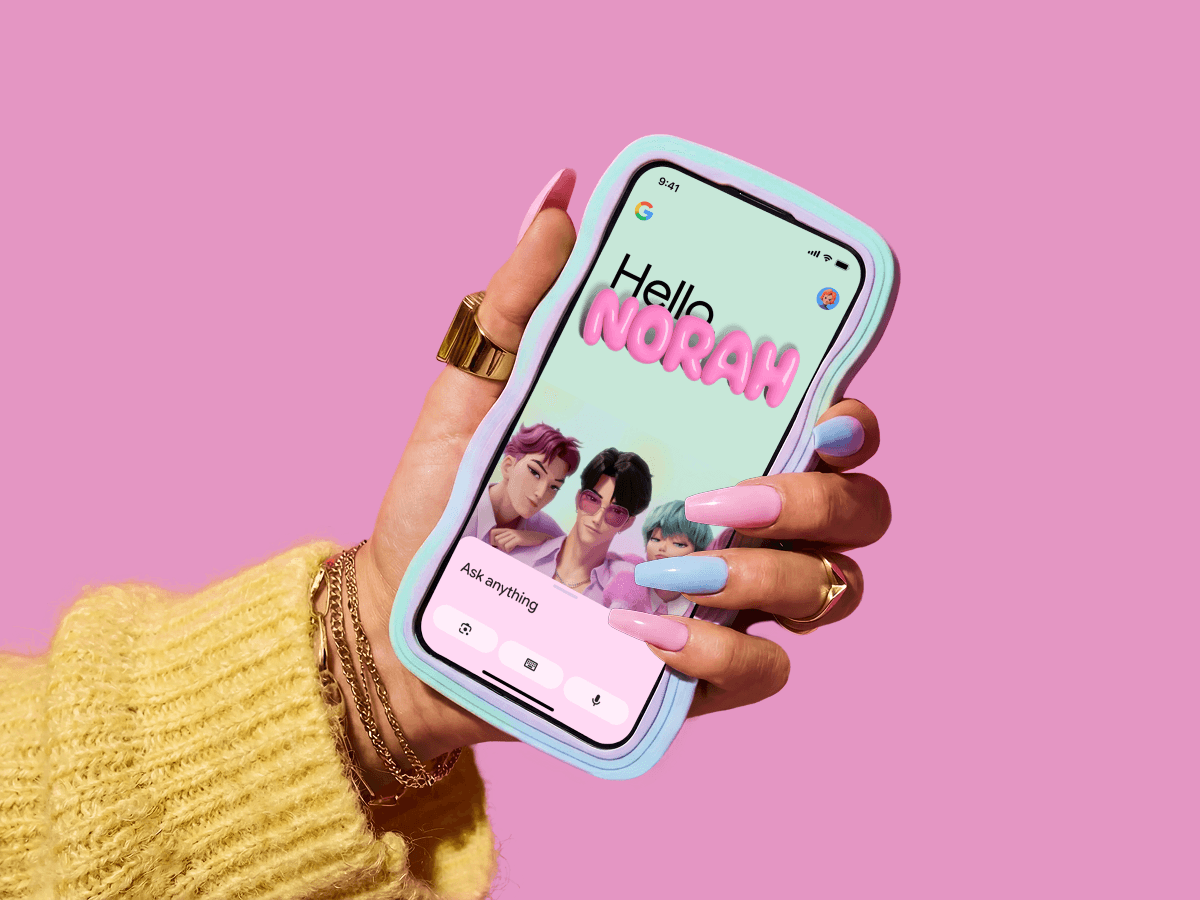
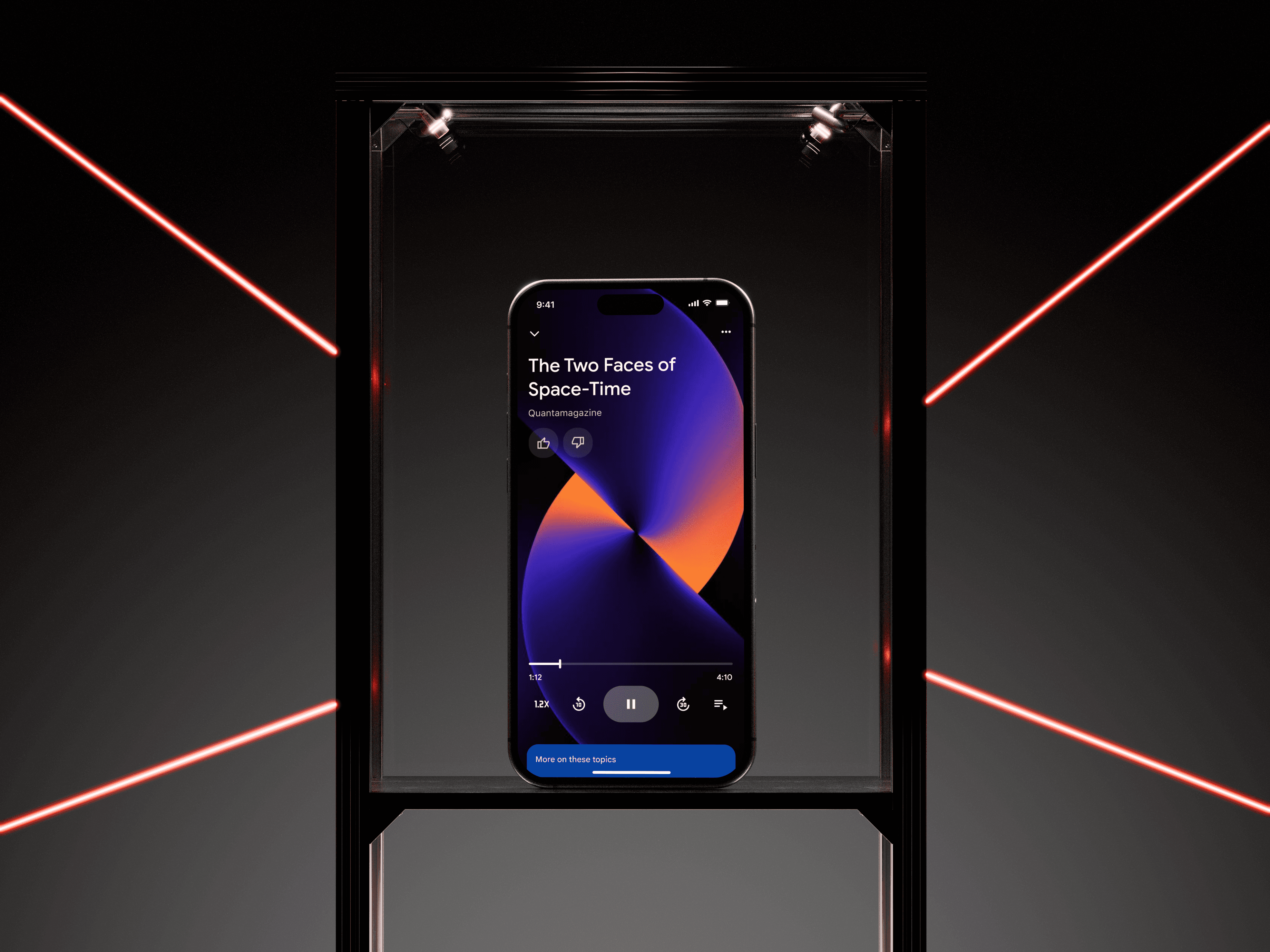
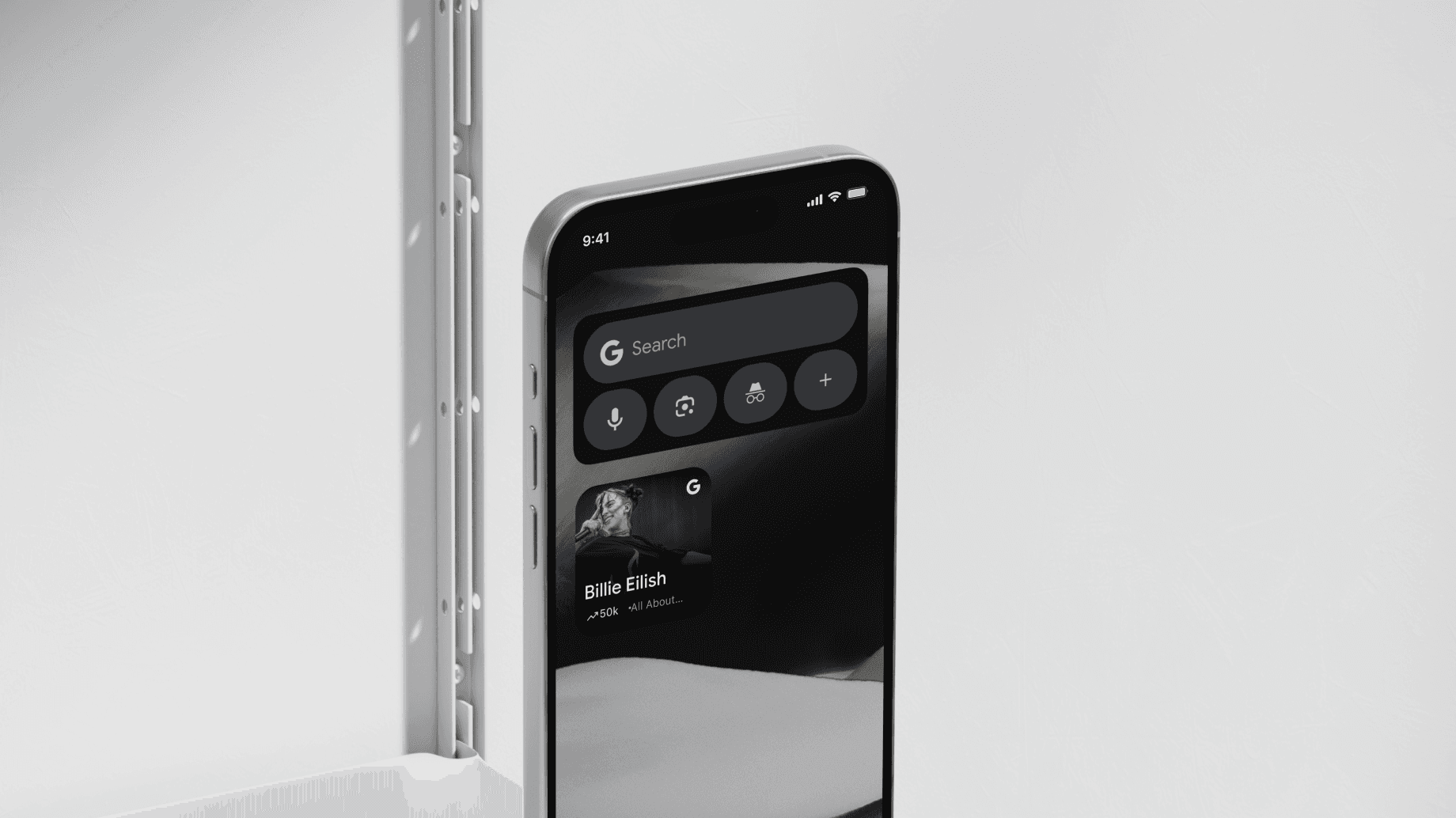
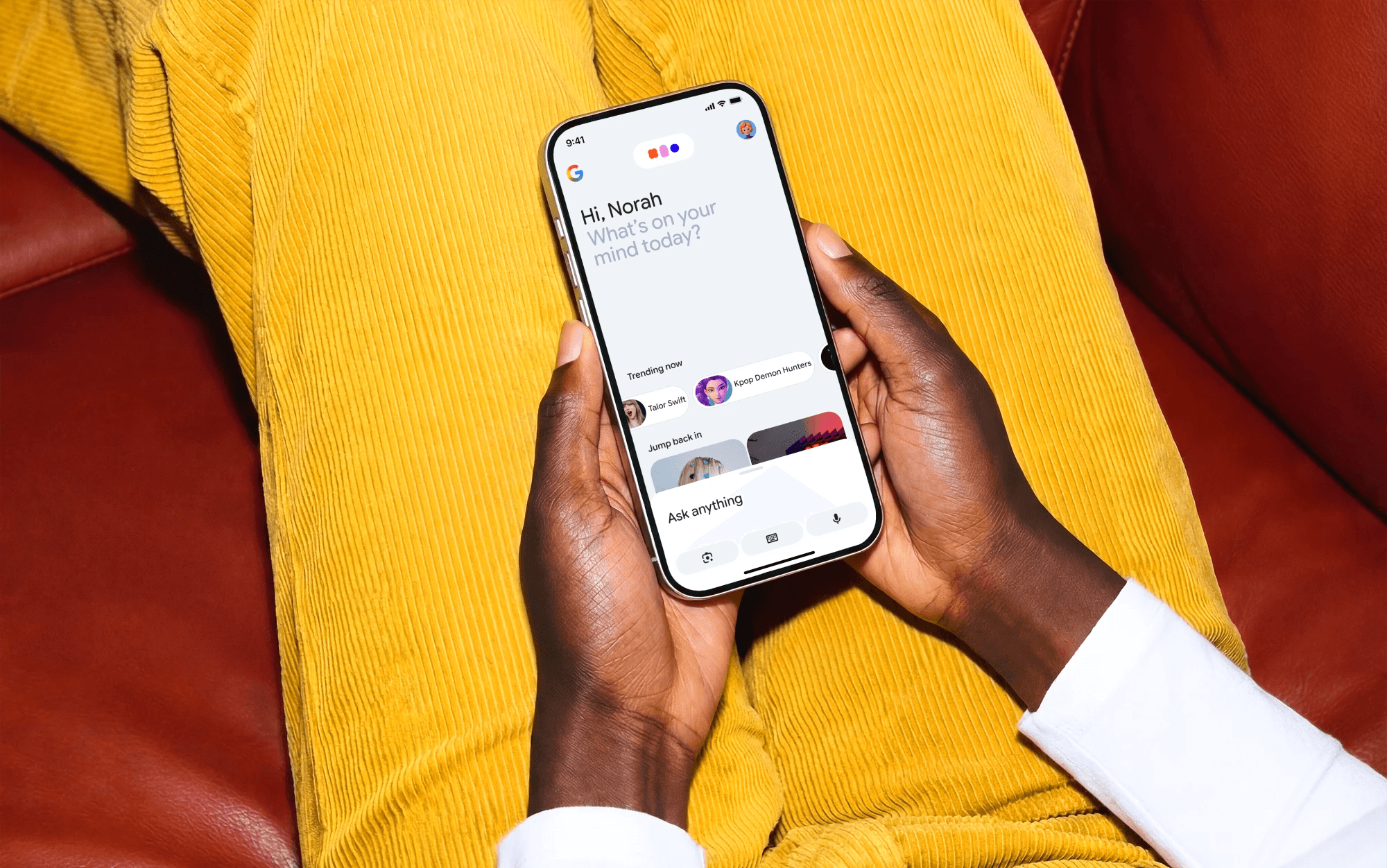
We’re shifting Search from retrieval to expression. Instead of a fixed home screen, we’re building a modular, skin-able space where users pin AI widgets, customize layouts, and make the app truly theirs— At the core is The Single Box—one intelligent entry point for voice, image, or text that flows into a unified, immersive experience. Beyond answers, it becomes agentic: picking up where you left off, collaborating with others, and completing tasks for you. Search evolves from a tool you use into a proactive partner that helps you get things done.
From Architectural Chaos to a Unified Vision

This initiative began with a critical realization: our current architecture was fundamentally misaligned with the mental models of the next generation. We started by auditing our design system and identified a major friction point—our multimodal tools like lens, voice, and AI were functioning as technical silos, creating unnecessary cognitive load. We knew we had to move beyond incremental tweaks and instead pivot toward a structure where personalization acts as the primary anchor for the entire experience.
By testing early concepts with Gen Alpha panels, we learned that they didn’t just want a faster search tool; they wanted a digital "playground" that reflected their identity and supported social collaboration. This insight drove us to develop a unified input framework and a hyper-customizable home, shifting the app from a passive utility to an expressive, high-agency environment where users can truly own their space.
We are now in the process of stitching these workstreams together—integrating a new visual language and agentic features into the product. This framework is no longer just a North Star; it is the blueprint we are actively building against to redefine the future of the app.
View the full case study →
year
2025
role
Sole IC Designer (Partnered with 2 Sr Design Directors, 1 Sr Product Director, 2 Data Science & Research)
area
Search Strategy
01